Keeping your home warm over winter is essential for comfort, wellbeing and energy efficiency. As temperatures drop and daylight hours shorten, households across the UK rely more heavily on heating and insulation to create a comfortable living environment. For homes that use electric heating, there are many effective ways to maintain warmth without compromising efficiency or running up unnecessary energy costs. With the right combination of heating technology, insulation and everyday habits, it is entirely possible to stay warm throughout winter using electricity alone.
Electric heating has evolved significantly in recent years, offering smarter controls, improved efficiency and greater flexibility than ever before. When combined with a well-maintained property and thoughtful heat management, electric solutions can provide consistent warmth even during the coldest months. Understanding how heat is generated, retained and used within your home is the key to making winter both comfortable and cost-effective.
Making the Most of Electric Heating Systems
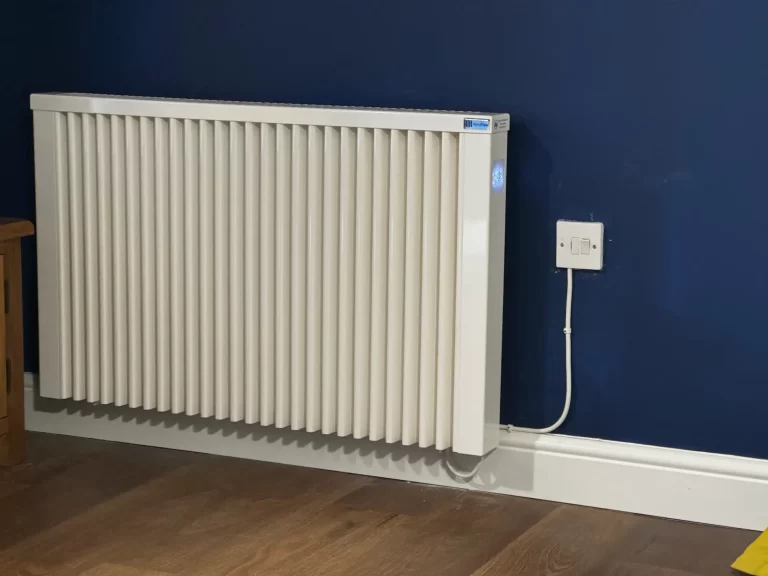
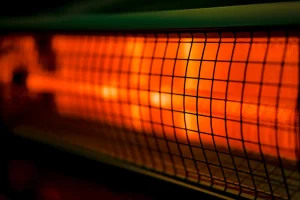
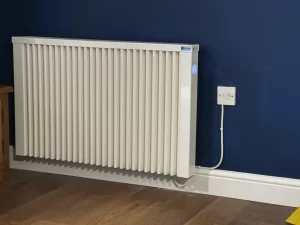
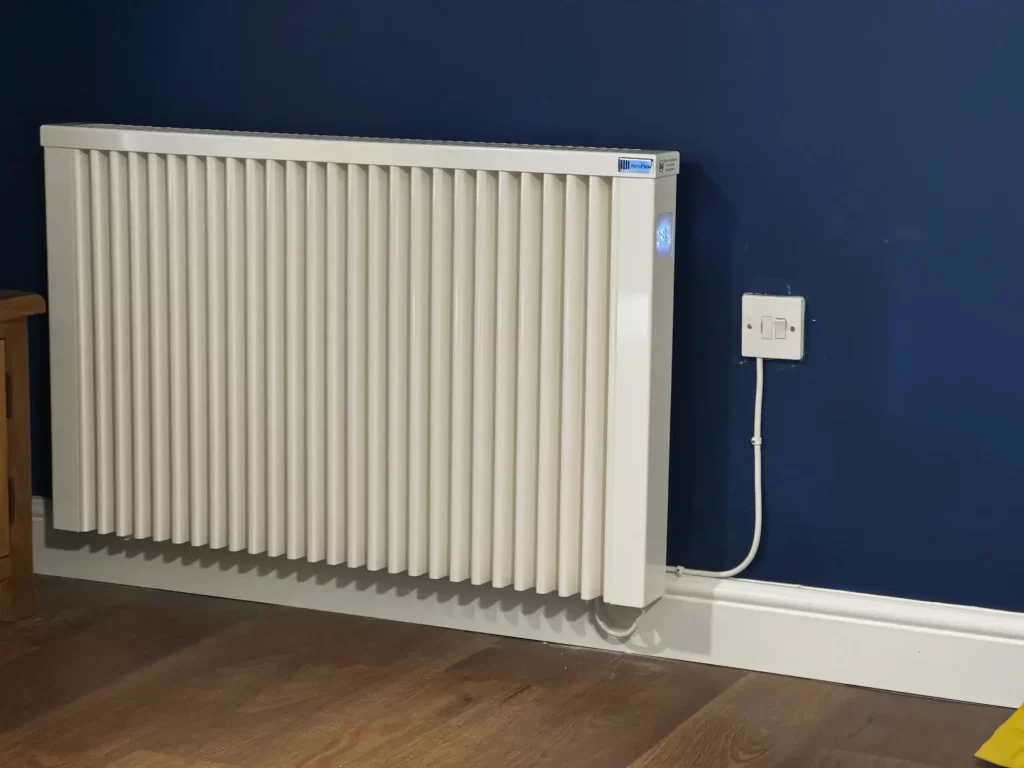
The foundation of a warm home during winter is an efficient and well-managed electric heating system. Modern electric heaters are designed to deliver reliable heat while giving homeowners precise control over temperature and energy usage. Ensuring that your system is suited to your property and lifestyle can make a noticeable difference to how warm your home feels.
One of the main advantages of electric heating is the ability to heat spaces individually. Rather than heating the entire property to the same temperature, electric systems allow rooms to be warmed according to how and when they are used. Living areas can be kept comfortably warm during the day and evening, while bedrooms can be heated more gently overnight. This targeted approach reduces wasted energy and ensures that warmth is available where it is needed most.
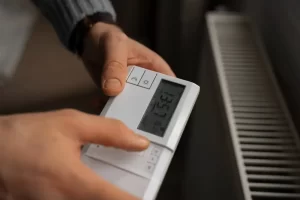
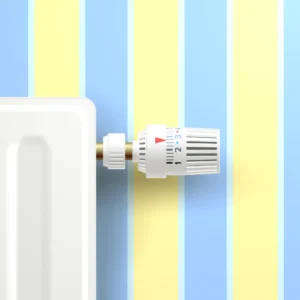
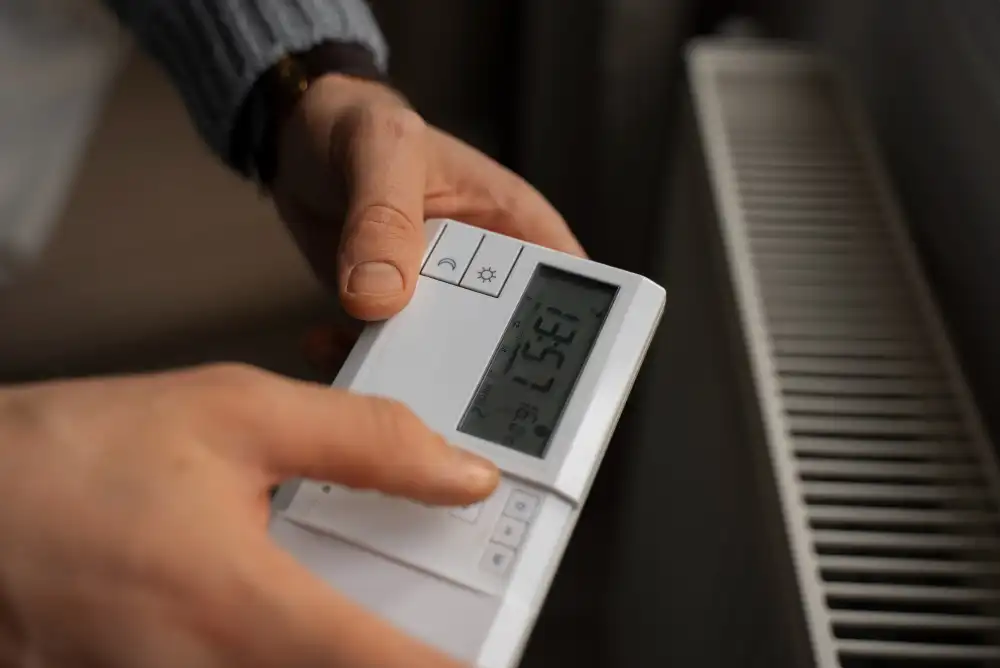
Smart controls and programmable thermostats play a crucial role in maximising the effectiveness of electric heating. By setting heating schedules that align with your daily routine, you can ensure your home is warm when occupied without running heaters unnecessarily. Many modern systems also allow remote control via smartphones or tablets, making it easy to adjust settings if plans change or if you return home earlier than expected.
Regular maintenance is another important aspect of keeping electric heating effective over winter. While electric systems generally require less upkeep than other forms of heating, it is still important to ensure heaters are clean, unobstructed and functioning correctly. Dust build-up can reduce efficiency, and furniture placed too close to heaters can block heat distribution. Simple checks and good placement help ensure heat circulates evenly throughout the room.
Choosing the right type of electric heater for each space can also enhance comfort. Different rooms have different heating needs depending on their size, insulation and usage. Using appropriately sized heaters helps maintain a stable temperature without overworking the system. Over winter, this balance contributes to consistent warmth and better energy efficiency.
Improving Heat Retention Throughout the Home
Generating warmth is only part of the equation. Retaining that heat is just as important, particularly during winter when cold air and heat loss can quickly undermine even the best heating system. Improving heat retention helps keep indoor temperatures stable, reduces the need for constant heating and lowers overall energy consumption.
Insulation is one of the most effective ways to retain heat in a home. Well-insulated lofts, walls and floors slow the escape of warm air and prevent cold air from entering. Even in properties with electric heating, good insulation ensures that the warmth produced stays inside for longer, creating a more comfortable environment with less effort. Over winter, the benefits of insulation become especially noticeable, as indoor temperatures remain more consistent despite colder conditions outside.
Windows and doors are common sources of heat loss, particularly in older homes. Ensuring that they are properly sealed can significantly improve warmth. Gaps around frames allow cold draughts to enter and warm air to escape, making rooms feel colder than they should. Simple draught-proofing measures help maintain a stable indoor temperature and allow electric heating systems to work more efficiently.
Window coverings also play an important role in heat retention. Closing curtains or blinds during the evening creates an additional barrier against the cold, helping to keep warmth inside. Thermal curtains, in particular, are designed to reduce heat loss through windows and can make a noticeable difference during winter nights. During daylight hours, opening curtains allows natural light and warmth from the sun to enter, contributing to a more comfortable indoor temperature without using additional energy.
Flooring can affect how warm a room feels, especially during winter. Hard floors can feel cold underfoot and contribute to a general sense of chill, even if the air temperature is comfortable. Using rugs or carpets helps insulate floors and adds to the overall warmth of a space. This is particularly effective in rooms where people spend long periods sitting or standing.
Furniture placement also influences heat retention and circulation. Keeping large items away from heaters allows warm air to flow freely around the room, preventing cold spots and improving overall comfort. Thoughtful layout adjustments can help distribute heat more evenly, ensuring that electric heating works at its full potential.
Everyday Habits That Help Keep Your Home Warm
Alongside efficient heating and good insulation, everyday habits have a significant impact on how warm your home feels over winter. Small changes to daily routines can support electric heating systems and help maintain a comfortable indoor environment without increasing energy use.
Managing internal doors is a simple but effective way to control warmth. Keeping doors closed in rooms that are not in use prevents heat from spreading unnecessarily and allows occupied spaces to stay warmer. This approach works particularly well with electric heating, as it complements room-by-room temperature control and reduces the demand on heaters.
Ventilation remains important during winter, but it needs to be managed carefully. Allowing fresh air into the home helps reduce condensation and maintain good air quality, which in turn supports a healthier living environment. Short, controlled periods of ventilation are often more effective than leaving windows open for long stretches, as they refresh the air without significantly cooling the space. Once windows are closed, electric heating can quickly restore comfort.
Humidity levels also influence how warm a home feels. Air that is too damp can feel colder, even at higher temperatures. Managing moisture through good ventilation and everyday practices helps maintain a comfortable balance. Dry air, on the other hand, can feel warmer and more pleasant, allowing you to feel comfortable at slightly lower thermostat settings.
Personal comfort choices can also enhance warmth during winter. Wearing appropriate clothing indoors, such as warm layers, allows you to stay comfortable without relying solely on higher heating levels. Soft furnishings, cushions and throws add both physical warmth and a sense of cosiness, making living spaces feel more inviting during colder months.
Lighting can have a subtle but positive effect on how warm a home feels. Well-lit spaces often feel more welcoming and comfortable during dark winter days. Electric lighting contributes a small amount of heat and, when combined with warm interior tones, can help create an environment that feels snug and inviting.
Finally, being mindful of energy use helps ensure that electric heating remains effective throughout winter. Understanding how and when your home uses electricity allows you to make informed decisions about heating patterns and settings. Over time, this awareness supports a balance between comfort and efficiency, ensuring your home stays warm without unnecessary expense.
Keeping your home warm over winter does not require complex solutions or non-electric heating sources. With modern electric heating systems, good heat retention and thoughtful everyday habits, it is possible to maintain a comfortable, welcoming home throughout the colder months. By focusing on how heat is generated, retained and supported by daily routines, homeowners can enjoy reliable warmth, improved comfort and greater control over their winter environment.