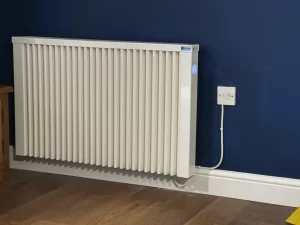
Landlords across Gloucestershire are increasingly looking for ways to reduce maintenance costs while improving reliability within their rental properties. Heating systems are one of the most common sources of tenant complaints, particularly when breakdowns occur during colder months. Traditional gas boilers, while widely used, require regular servicing, annual safety checks, and can fail unexpectedly, often leading to urgent repair callouts. Electric heating systems offer a simpler, lower maintenance alternative that appeals to landlords managing single properties or larger portfolios.
One of the main advantages of electric heating for landlords is the reduced servicing requirement. Gas heating systems typically require annual maintenance and certification, which adds ongoing costs and administrative work. Electric radiators and panel heaters do not involve combustion, which removes the need for gas safety checks and significantly lowers the risk of mechanical failure. This simplicity makes electric heating particularly attractive for landlords who want a dependable system that requires minimal ongoing attention.
Reliability is another key factor that makes electric heating suitable for rental properties. A gas boiler acts as a central point of failure, meaning that if it stops working, the entire property loses heating and hot water. Electric heating systems operate independently in each room, so even if one unit develops a fault, the rest of the property remains heated. This reduces emergency situations and provides tenants with continued comfort while repairs are arranged.
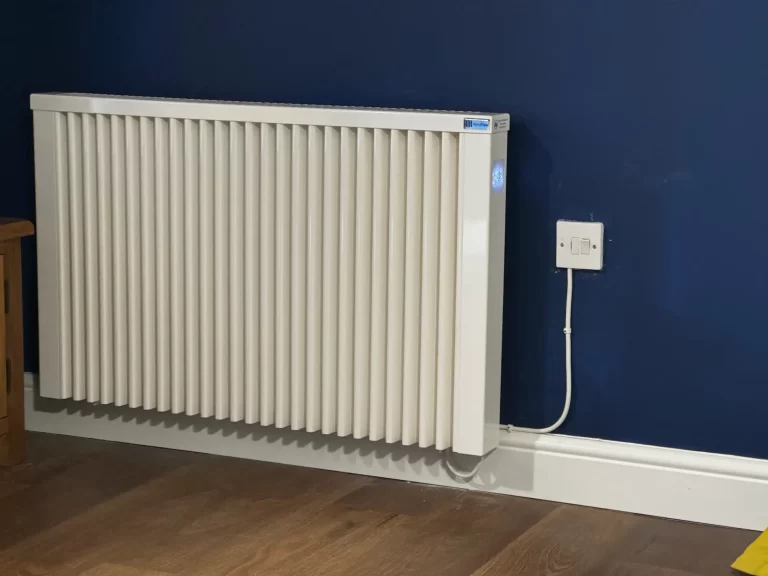
Maintenance costs over time can also be lower with electric heating systems. Boilers include pumps, valves, pipework, and multiple components that can wear out or fail. Radiators connected to central heating systems may develop leaks, require balancing, or suffer from airlocks that reduce efficiency. Electric radiators, by comparison, contain far fewer moving parts and typically require only occasional checks to ensure controls are functioning correctly.
For landlords managing properties between tenancies, electric heating offers additional convenience. When a property becomes vacant, gas systems often need to remain partially active to prevent pipes from freezing during winter. Electric heating systems allow landlords to maintain low background temperatures in selected rooms without running an entire central heating system. This targeted heating approach can help reduce energy costs while protecting the property from cold weather damage.
Installation is another area where electric heating provides benefits, particularly in older Gloucestershire properties. Many rental homes, flats, and converted buildings lack suitable space for new boiler installations or extensive pipework. Electric radiators can usually be installed quickly with minimal disruption, making them ideal for refurbishment projects or heating upgrades between tenants. This faster installation time also reduces void periods, helping landlords return properties to the market more quickly.
Tenant control is an important consideration when selecting heating systems for rental properties. Electric heating allows room-by-room temperature adjustment, giving tenants greater flexibility and control over their energy usage. This zoning capability can improve tenant satisfaction, as occupants can heat only the rooms they use rather than the entire property. Improved control can also reduce disputes about heating performance, which sometimes occur with poorly balanced central heating systems.
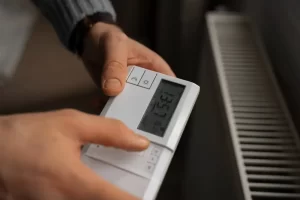
Energy efficiency has also improved significantly in modern electric heating systems. Contemporary electric radiators often include programmable timers, thermostats, and smart control features that help regulate usage. These controls allow tenants to set heating schedules that match their daily routines, reducing unnecessary energy consumption. For landlords, this can lead to fewer complaints about high running costs when systems are used correctly.
Electric heating can also be beneficial for compliance and safety considerations. Gas systems introduce potential risks such as carbon monoxide leaks, which require regular monitoring and safety checks. Electric systems eliminate combustion entirely, reducing safety concerns and simplifying property management. This can provide peace of mind for landlords, especially those who do not live locally or manage multiple properties.
Another advantage is the reduced likelihood of damage caused by system failures. Burst pipes from frozen central heating systems can cause extensive water damage, particularly in vacant properties. Electric heating removes the need for wet pipework, lowering the risk of leaks and water-related issues. This can be especially useful in properties that are unoccupied for periods between tenants.
Electric heating also suits a wide range of rental property types found throughout Gloucestershire. Flats, maisonettes, and smaller homes often benefit from electric systems due to their compact size and straightforward installation. Rural properties without access to mains gas can also benefit from electric heating as an alternative to oil or LPG systems. This flexibility makes electric heating suitable for landlords with diverse property portfolios.
Running costs are often a key consideration when landlords evaluate heating options. While electricity prices per unit can be higher than gas, efficient electric heating systems combined with modern controls can help manage consumption. Tenants who can control individual rooms may use less energy overall compared to heating an entire property. This efficiency can make electric heating more competitive, particularly in well-insulated homes.
Electric heating also simplifies refurbishment and upgrade projects. Removing an old boiler system can free up space previously used for tanks, pipework, and radiators. This can improve property layout and allow landlords to modernise interiors more easily. Updated heating systems can also improve property appeal, which may help attract tenants and reduce vacancy periods.
Smart heating controls are becoming increasingly popular in rental properties. Many electric heating systems now offer programmable settings and digital thermostats that improve usability. Some systems also allow landlords to set default temperature limits to prevent excessive energy use. These features provide a balance between tenant comfort and cost control.
From a long-term perspective, electric heating can help landlords reduce unexpected expenses. Boiler breakdowns often occur at inconvenient times and may require urgent replacement. Electric radiators generally have longer operational lifespans and fewer components that can fail. This reliability can make budgeting for maintenance more predictable.
Electric heating also aligns with changing attitudes toward energy and property efficiency. Many landlords are exploring ways to modernise their properties and prepare for future energy requirements. Electric heating systems can be paired with renewable energy sources such as solar panels, offering potential long-term benefits. This forward-thinking approach can make properties more attractive to environmentally conscious tenants.
In conclusion, electric heating offers landlords a low maintenance and reliable solution for rental properties. Reduced servicing requirements, improved reliability, and simpler installation make electric systems an appealing alternative to traditional gas heating. The ability to control heating by room, minimise risks, and reduce ongoing maintenance costs further strengthens the case for electric heating. For landlords in Gloucestershire looking to simplify property management while maintaining tenant comfort, electric heating presents a practical and efficient option.