Converting to electric heating has become an increasingly popular choice across the UK, driven by rising energy efficiency standards, the phase-out of fossil fuel boilers, and the desire for cleaner, more controllable home heating. Many homeowners worry that switching from gas, oil, or LPG to electric might involve major disruption, but in reality the process is usually far simpler than expected. With flexible installation options, minimal maintenance requirements, and an ever-growing range of modern electric heating systems, most properties can make the change quickly and easily.
Below, we explore just how straightforward the transition can be, what homeowners can expect during installation, and why electric heating is often viewed as one of the simplest ways to modernise a home’s heating system.
Understanding the simplicity of electric heating installation
One of the biggest reasons electric heating is so easy to adopt is that it does not require the complex infrastructure associated with traditional gas or oil systems. There is no need for boilers, flues, pumps, pipework, or fuel storage tanks. Instead, electric heating systems draw power directly from the home’s existing electrical supply.
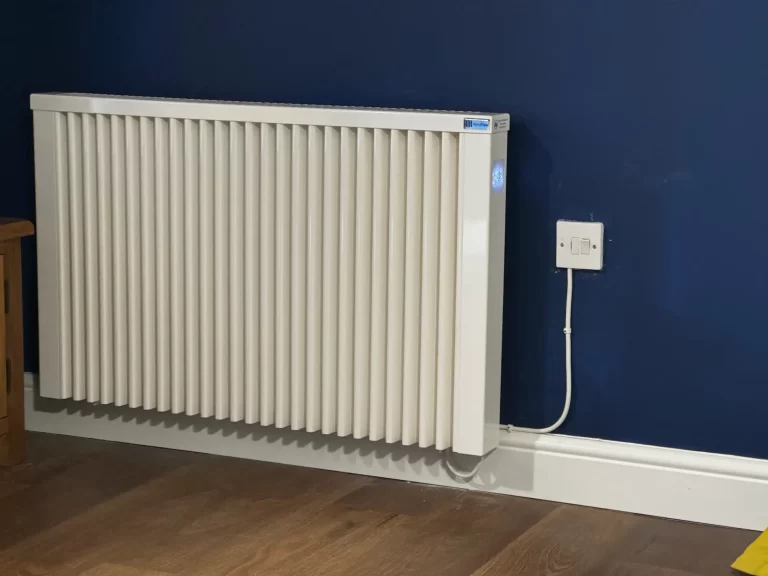
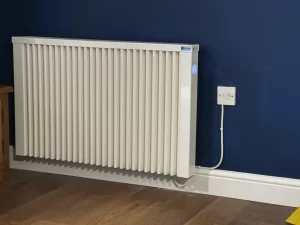
For many households, this means installation is as simple as mounting the heater and connecting it to the mains. In fact, some electric radiators can be wall-mounted using a few screws and plugged into a standard socket, making them ideal for DIY-friendly upgrades. Even when a professional electrician is required—usually for fused spur connections or smart control integrations—the work tends to be quick and clean, with far less disruption than installing or upgrading a gas boiler system.
Another advantage is placement flexibility. Traditional radiators need pipework routing, which can limit where they are positioned. Electric heaters, however, only require proximity to a suitable electrical connection. This allows homeowners to choose more convenient or aesthetically pleasing locations, improving both comfort and design flexibility.
Electric heating also offers simple scalability. If a homeowner wants to add heating to an extension, loft conversion, or garden room, electric radiators or underfloor heating systems can be installed independently without altering the existing heating setup. This modular approach saves time, reduces costs, and avoids the need for extensive building work.
Overall, the reduced infrastructure, cleaner installation process, and flexible positioning all contribute to making electric heating one of the easiest upgrades available for modern homes.
What to expect when converting from gas, oil, or LPG
For homeowners converting from a traditional fossil fuel system, the process typically involves two stages: decommissioning the old system and installing the new electric heating. Fortunately, both steps are generally simpler and quicker than most expect.
Decommissioning the old system
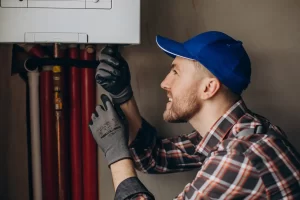
Removing a gas or oil boiler is relatively straightforward for a qualified heating engineer. Unlike replacing one boiler with another, there is no need to install a new flue, upgrade pipework, or pressure-test the system. Once the boiler, header tanks, and associated pipework are removed, the space can often be repurposed immediately. Many homeowners appreciate the extra storage space gained by eliminating a bulky boiler or oil tank.
If the property is connected to the gas network, the gas meter can be capped or removed, and the supply safely isolated—another routine job for a professional. Once this step is complete, the property no longer relies on gas, reducing long-term maintenance and safety concerns.
Installing the new electric system
Electric heating installation varies depending on the chosen system, but all tend to be far less disruptive than fitting a full central heating network.
-
Electric radiators: The most common option, easy to mount and wire in. Rooms can usually be completed individually, allowing a phased installation if desired.
-
Electric underfloor heating: Suitable for both renovations and new builds. Modern mat-based systems are quick to install, especially when combined with new flooring.
-
Heat pumps: Air source heat pumps require an outdoor unit and some plumbing, but in many cases they are still simpler to install than a replacement gas system. They pair well with electric water heaters and smart controls.
-
Panel heaters: Lightweight, cost-effective, and exceptionally easy to fit, ideal for rooms that need occasional heating.
One of the greatest advantages of electric systems is that the installation can be tailored room-by-room, unlike gas systems which usually require full-house installations. This not only simplifies scheduling but also allows costs to be spread over time.
Electrical capacity considerations
Most UK homes are already equipped with enough electrical capacity to support modern electric heating, especially when using high-efficiency radiators or heat pumps. In rare cases—such as properties with very old wiring or extremely high anticipated loads—an electrician may recommend minor upgrades to the consumer unit. Even then, the work is normally uncomplicated and can be completed in a day.
Putting all of this together, the transition from a fossil-fuel system to electric heating is much more straightforward than many homeowners imagine, and typically quicker than replacing like-for-like with a new boiler.
Why electric heating makes home heating simpler long-term
The ease of converting to electric heating is only part of the story. Electric heating also offers long-term simplicity that continues long after installation. Without the need for fuel delivery, boiler servicing, annual safety inspections, or complex repairs, homeowners can enjoy a stress-free, low-maintenance heating system.
Low maintenance and high reliability
Electric heaters have very few moving parts, which means they rarely break down. Unlike boilers—where components such as pumps, heat exchangers, or valves can fail—electric radiators and underfloor heating systems generally require nothing beyond occasional cleaning. This reliability reduces both ongoing costs and inconvenience.
Better control and improved efficiency
Modern electric heating is designed for precision control. Most systems come with programmable thermostats, Wi-Fi connectivity, and smart zoning features that allow homeowners to heat rooms individually rather than warming the whole house at once. This not only enhances comfort but also helps reduce energy consumption by avoiding unnecessary heating.
The simplicity of smart controls extends to usability. Homeowners can adjust settings from a phone, set schedules, or integrate heating with home automation systems. This flexibility is far easier to achieve with electric heating than with many older gas or oil systems.
Environmentally friendly and future-proof
Electric heating aligns well with the UK’s net-zero goals, especially as the national grid continues to decarbonise. As more renewable electricity becomes available, electric heating becomes cleaner every year. This makes it a long-term, future-proof choice that avoids the regulatory uncertainty surrounding fossil fuel heating.
Quiet, clean, and safe operation
Electric heaters operate silently and produce no combustion gases, eliminating the risks associated with carbon monoxide or gas leaks. There is no need for annual gas safety checks, no risk of frozen pipes in cold weather, and no requirement for flues or ventilation. The simplicity of electric heating contributes significantly to peace of mind for homeowners.
Straightforward upgrades and replacements
Should a homeowner wish to change or upgrade their electric heaters in the future, the process is typically as simple as replacing a single wall-mounted unit. There is no need to drain a system, run new pipework, or replace multiple components at once. This convenience makes electric heating one of the most flexible long-term solutions available.
In summary, converting to electric heating is far easier than many people expect. With simple installation, no need for extensive plumbing, minimal disruption to the home, and a wide range of efficient modern heating options, the process is one of the most straightforward home improvements you can make. Whether upgrading an older property, modernising a rental, or installing heating in a new extension, electric heating offers a clean, practical, and future-proof solution.
For homeowners looking for reliability, easy maintenance, and flexible control, electric heating is not only simple to install—it’s one of the simplest and most convenient heating choices for the modern UK home.