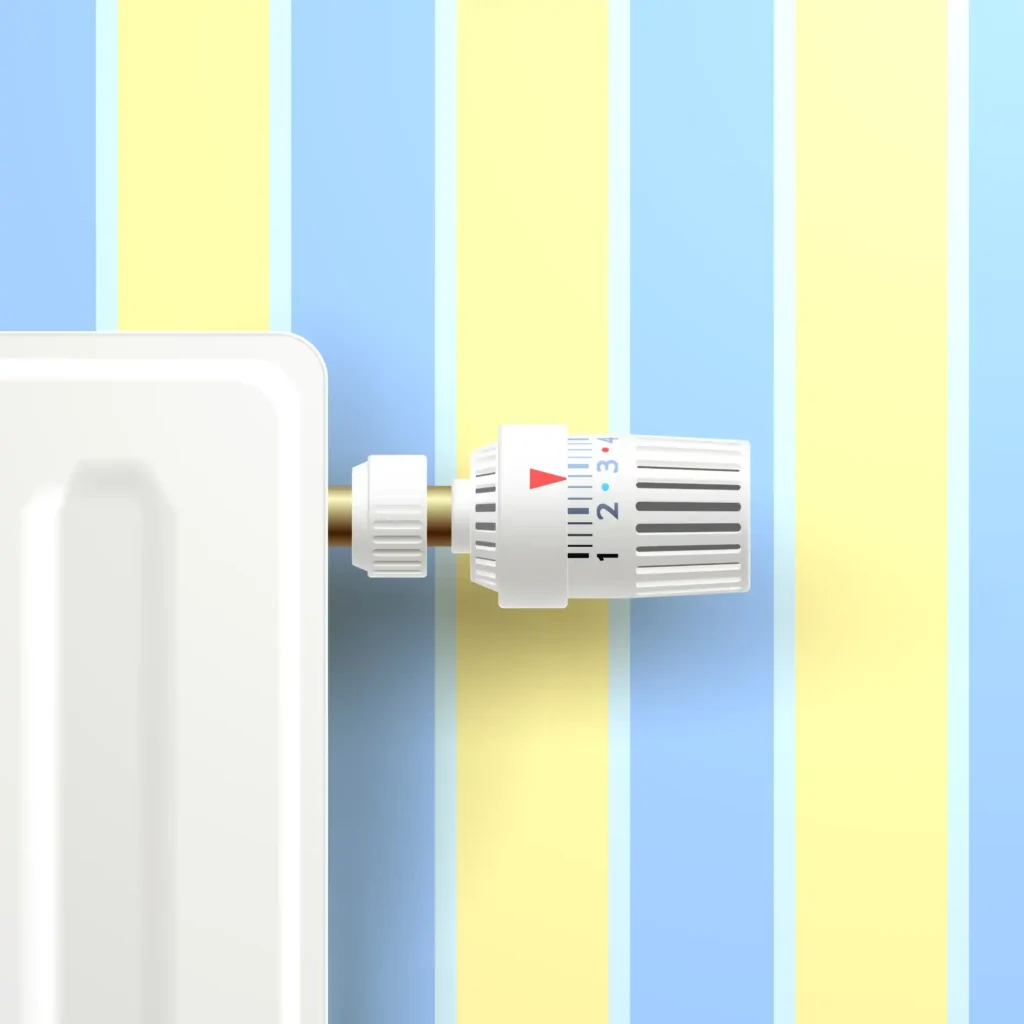
As winter approaches and UK households brace for falling temperatures and rising energy bills, efficient heating becomes not just a comfort priority but a financial necessity. Smart electric heating has rapidly emerged as one of the most effective and future-ready solutions for keeping homes warm while controlling energy consumption. Among the wide range of smart heating options available today, automated electric radiators stand out for their exceptional efficiency, flexibility and ability to integrate seamlessly into modern living. Whether retrofitting a Victorian terrace, upgrading a rental flat or designing a new-build eco-home, these intelligent heaters offer a powerful way to take control of your winter warmth and energy use.
In this comprehensive guide, we explore how automated electric radiators work, how they help UK households save energy and money and why they are increasingly viewed as the smartest choice for efficient, low-carbon heating. If you are considering updating your heating system, or simply want to understand how new technology can help you heat your home more efficiently, this article provides the insights you need to make an informed decision.
What Is Smart Electric Heating and How Do Automated Radiators Work?
Smart electric heating is a new evolution of electric heating technology that allows homeowners to heat their properties more efficiently by using intelligent controls, adaptive temperature management and responsive automation. Instead of relying on manual switches, outdated storage heaters or centralised systems that heat the whole house at once, automated radiators are designed to deliver heat exactly where, when and how it is needed.
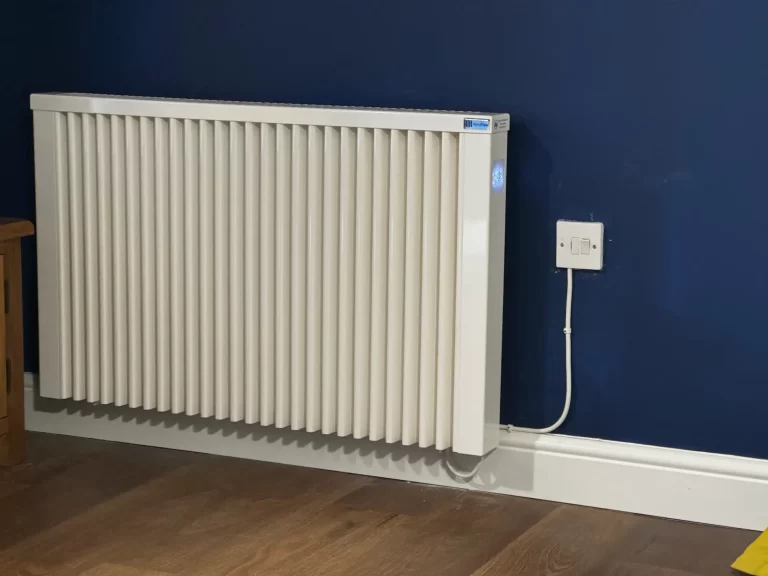
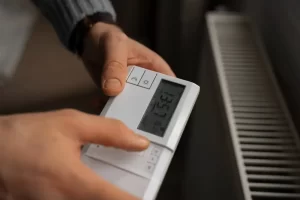
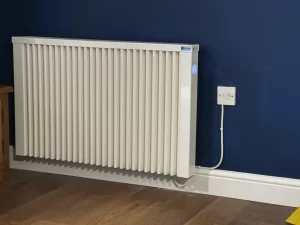
Modern automated electric radiators typically feature integrated digital thermostats, precision temperature sensors and smart programming functions. They can learn your schedule, detect temperature changes with remarkable accuracy and operate only when necessary. Many models are equipped with Wi-Fi connectivity, allowing you to control each heater individually through a mobile app or voice assistant, whether you are on the sofa or hundreds of miles away.
The principle that makes automated radiators so efficient is zone-based heating. Traditional gas central heating warms the entire home from a single boiler, pushing heated water around the property whether rooms are occupied or not. By contrast, smart electric radiators allow each room to be heated independently. This means a spare bedroom can remain unheated until it is required, your living room can be warmed only during the hours you spend in it and your home office can stay at the perfect temperature for productivity without wasting heat elsewhere.
Another benefit lies in precision control. Older radiators often work in on-off cycles that create temperature fluctuations, sometimes leading to overheating and wasted energy. Smart electric radiators maintain temperatures far more accurately, meaning energy is used only to sustain the exact level of warmth needed. Many systems also feature open-window detection, which temporarily turns the heating off if a sudden temperature drop is detected, preventing wasted energy. Combined, these features contribute to better comfort and reduced running costs, something particularly valuable in the UK’s energy landscape where price volatility has become a reality for many homes.
The Energy-Saving Benefits of Automated Electric Radiators
The ability of automated electric radiators to reduce energy consumption rests on a combination of smart efficiency features, user behaviour improvements and advancements in heating technology. The most significant advantage lies in the way these systems avoid heating unused spaces. According to energy advisers and efficiency specialists, heating only the rooms you need is one of the most effective ways to cut winter heating costs, yet it can be difficult to manage with traditional central heating. By embracing individual room control, UK households can immediately reduce wasted heat and take greater control of their energy use.
Smart thermostatic control also plays a key role in energy reduction. Automated radiators can detect and respond to even minor temperature fluctuations, reducing power usage once the optimal temperature is reached. Instead of cycling on and off inefficiently, these radiators commonly use adaptive heat modulation, which means they adjust their power output in real time to maintain steady warmth. This level of control helps to avoid unnecessary energy spikes and provides a more consistent, comfortable home environment.
Timers and scheduling are another important feature. Many people unknowingly waste heat by leaving the heating on longer than necessary or running it at full power even when they are out of the house. With an automated system, heating schedules can be tailored to daily routines, even varying by day of the week. If you leave early on a Friday or routinely work from home mid-week, your radiators can account for this automatically. This fine-tuned scheduling capability eliminates guesswork and helps ensure that heat is never wasted.
The integration of mobile and voice control further supports efficiency by giving homeowners real-time oversight of their heating habits. If you forget to turn off a radiator on your way out, a quick tap on your phone will sort it. If a cold snap arrives unexpectedly, you can pre-warm rooms remotely without running heating all day. This kind of connected control encourages more conscious energy use and provides peace of mind in an era where energy costs can fluctuate seasonally.
It is also worth noting the environmental advantages. With the UK steadily moving towards a decarbonised energy grid and renewable electricity becoming more widely available, electric heating systems offer a pathway towards greener home heating. Automated radiators produce zero emissions at the point of use and as the grid becomes cleaner, so too does the heat they generate. For homeowners who are environmentally conscientious or planning long-term upgrades, pairing smart electric heating with solar PV or other renewable sources can further reduce running costs and carbon impact.
Comfort, often overlooked in discussions about efficiency, is another key benefit. A common misconception is that saving energy means sacrificing warmth, but modern smart radiators are designed to provide consistent, personalised comfort. By maintaining temperatures precisely and heating only occupied areas, they create a more pleasant indoor environment without wasting resources. This makes winter living more enjoyable while still promoting responsible energy management.
Of course, installation flexibility also plays a role in energy reduction. Automated electric radiators usually require no pipework, no boiler and minimal disruption, making them perfect for retrofitting in older homes or properties without gas access. For landlords, the ability to install efficient heating without major building work is extremely appealing, and tenants benefit from lower running costs and improved comfort. In new builds, these systems support compliance with modern building efficiency standards, offering a future-proof solution as legislation increasingly favours low-carbon heating.
The financial benefits are equally important. While exact savings vary depending on usage, insulation and property type, many households find that smart electric radiators help them control their heating budget far more effectively. Because you can track energy use and adjust settings instantly, budgeting becomes easier and wastage decreases. Given that heating accounts for a substantial proportion of winter energy bills in the UK, any technology that provides real-time control and data-driven insight offers a valuable advantage.
Why Smart Electric Heating Is a Future-Proof Choice for UK Homes
As the UK transitions towards greener heating solutions and moves away from fossil fuel-based systems, smart electric heating is increasingly recognised as a practical, scalable and cost-effective alternative. Gas boilers are likely to face tightening regulations over the coming years, and while heat pumps will play a significant role in reaching net-zero targets, they are not suitable for every property. Automated electric radiators provide a flexible option that can be used alongside other technologies or serve as a complete standalone system.
One of the reasons electric heating is gaining traction is its adaptability. It suits everything from compact city flats to rural cottages, large family homes and commercial spaces. Unlike gas systems, which require extensive pipework and regular servicing, electric systems are easy to install and maintain. With no combustion and minimal moving parts, they are reliable, safe and long-lasting. Many models include advanced child lock, overheat protection and anti-frost features, adding peace of mind for families and landlords alike.
The smart technology aspect means automated radiators will continue improving through software updates and integration with emerging home automation platforms. As more UK households adopt smart devices, from thermostats to lighting and security systems, having a heating solution that fits into that connected environment makes everyday living easier and more efficient.
Crucially, smart electric heating empowers homeowners. Instead of relying on a one-size-fits-all heating schedule, each room becomes its own heating zone, giving you total flexibility. Whether you live alone, work from home, have a growing family or manage a rental portfolio, being able to tailor heating precisely to your lifestyle delivers long-term energy savings and enhanced comfort.
Winter in the UK will always require reliable heating, but the old approach of heating the whole house indiscriminately is increasingly outdated. Automated electric radiators offer a smarter alternative that puts efficiency, comfort and control front and centre. As technology evolves and the energy landscape continues to change, those who adopt smart heating today will be well placed for a more sustainable and cost-efficient future.
Transitioning to smart electric heating is not merely a trend; it is a practical solution to a modern challenge. Whether you are motivated by the desire to cut bills, reduce your environmental footprint, modernise your home or improve your daily comfort, automated radiators offer a compelling answer. Intelligent automation, zoned heating, precise temperature management and remote control combine to create a heating system that fits seamlessly into contemporary life.
With the UK’s commitment to carbon reduction, the rising popularity of renewable electricity and a growing appetite for connected home technology, investing in smart electric heating is a forward-thinking choice. It delivers immediate benefits in terms of comfort and energy savings while aligning with long-term sustainability goals. As winter approaches and heating becomes a central part of daily life once again, now is the perfect time to explore how automated electric radiators can transform your home into a warm, efficient and future-ready space.