Heating is one of the most important considerations in any rental property. Tenants want a warm, comfortable home that is cost-effective to run, while landlords need systems that are reliable, easy to manage, and compliant with legal requirements. As the UK continues to move towards more sustainable living and tighter regulations on property standards, the choice of heating becomes even more crucial. For landlords, opting for electric heating offers a wide range of benefits, from efficiency and tenant satisfaction to long-term cost management and environmental compliance.
In this article, we will explore why electric heating is increasingly becoming the preferred option for rental properties across the country and why it could be the right investment for your portfolio.
The Shift Towards More Sustainable Heating
The UK has set ambitious targets for reducing carbon emissions, with the government committed to achieving net zero by 2050. As part of this, the way we heat our homes is undergoing significant change. Traditional gas boilers, once the standard in British homes, are being phased out in favour of low-carbon alternatives. While technologies such as heat pumps are growing in popularity, they are not always practical for every property, particularly smaller rental flats or older buildings that cannot easily accommodate the required infrastructure.
Electric heating provides a straightforward solution that aligns with the UK’s sustainability goals. With the increasing share of renewable energy feeding into the national grid, electric systems are becoming cleaner year on year. For landlords, this means investing in a heating method that is both future-proof and environmentally responsible, helping them stay ahead of regulatory changes and tenant expectations.
Ease of Installation and Minimal Disruption
One of the strongest arguments in favour of electric heating is its ease of installation compared to alternatives. Gas systems require extensive pipework, annual checks, and access to the gas network, which is not always available in every property. In contrast, electric heaters can be installed quickly and with minimal disruption to tenants.
This is particularly advantageous for landlords managing multiple rental properties, as time is often a critical factor between tenancies. A quick installation means less downtime and a faster turnaround for new occupants. Furthermore, for properties in high-rise flats or rural locations where connecting to the gas grid is difficult, electric heating offers a practical and widely accessible solution.
Lower Upfront Costs Compared to Other Systems
The initial outlay for electric heating is generally lower than that for gas central heating or renewable alternatives such as air-source heat pumps. Installing a boiler, radiators, and pipework can be costly, especially in older properties that may need additional modifications. By contrast, electric heaters are standalone units that require only a power supply.
For landlords, this translates into more predictable and manageable upfront costs, particularly when fitting out multiple rental properties. While running costs are influenced by electricity prices, the reduced installation expenses and ongoing savings on maintenance make electric heating a cost-effective investment in many scenarios.
Reliability and Reduced Maintenance
Tenants expect reliable heating, and landlords need systems that do not require constant servicing or emergency repairs. Gas boilers, while effective, are mechanical systems that require regular maintenance and are prone to breakdowns over time. This can create additional stress for landlords who must arrange repairs quickly to maintain tenant satisfaction and remain legally compliant with habitable housing standards.
Electric heating, on the other hand, has very few moving parts and does not rely on a central system. Each heater operates independently, meaning that if one unit develops a fault, the rest of the property remains heated. Additionally, electric heaters do not require annual servicing in the same way that gas systems do, removing the cost and administrative burden of arranging safety checks. For landlords, this can significantly reduce maintenance costs and simplify property management.
Safety and Compliance with Regulations
Safety is a top priority for both tenants and landlords. Gas appliances come with risks such as leaks, explosions, and carbon monoxide poisoning, all of which require careful monitoring and regular checks. Landlords are legally obligated to arrange annual gas safety inspections, which can be costly and time-consuming.
Electric heating eliminates these concerns entirely. With no combustion involved, there is no risk of gas leaks or carbon monoxide build-up. This makes electric heating inherently safer and simplifies a landlord’s compliance responsibilities. In addition, because there is no requirement for gas safety certificates, landlords save both money and time while still ensuring that their tenants enjoy a secure and comfortable living environment.
Energy Efficiency and Modern Technology
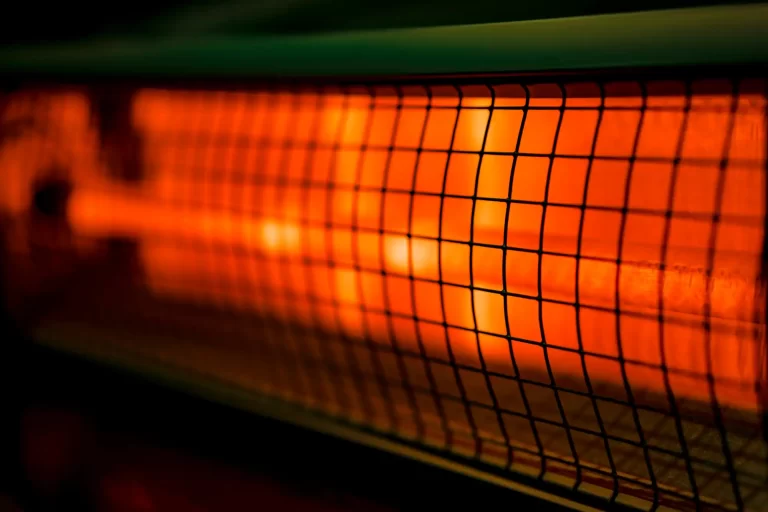
Modern electric heaters are far more efficient than the outdated storage heaters that once gave the technology a poor reputation. Today’s electric radiators, panel heaters, and infrared systems are designed with advanced thermostats, timers, and smart controls that allow tenants to heat their homes with precision. This level of control prevents wasted energy and ensures that properties remain at a comfortable temperature without unnecessary expense.
For landlords, the efficiency of electric heating can be a selling point when advertising rental properties. Tenants are increasingly conscious of their energy bills, particularly during periods of rising costs. Being able to demonstrate that your property offers efficient heating with smart technology can make it more attractive and competitive in the rental market.
Flexibility for Different Property Types
Not all rental properties are the same, and heating requirements can vary significantly between a small studio flat, a suburban semi-detached home, or a large multi-occupancy building. Electric heating offers versatility that suits a wide range of property types.
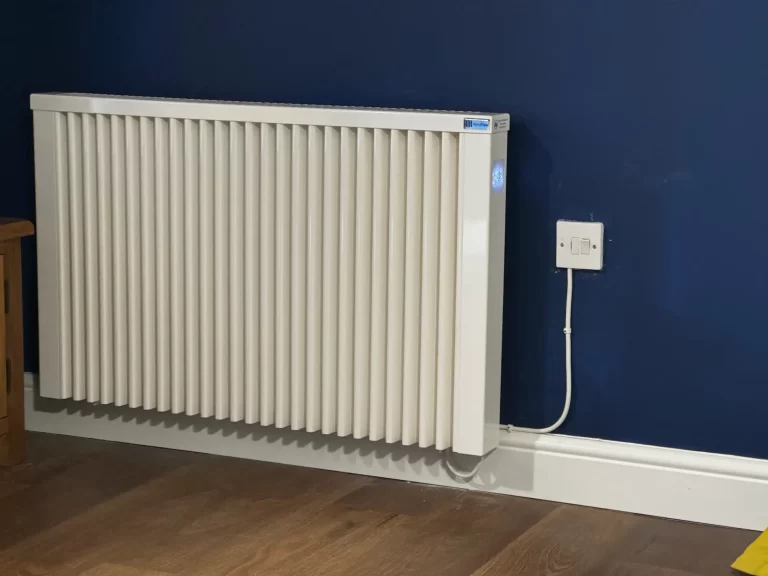
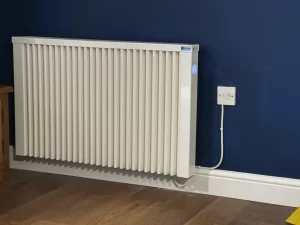
For smaller flats, panel heaters or wall-mounted electric radiators can provide discreet yet effective warmth. In larger properties, a combination of modern storage heaters or smart electric systems can ensure consistent comfort across multiple rooms. Because electric heating does not require extensive infrastructure, it can be easily adapted to different layouts and building types, making it a flexible solution for landlords with diverse portfolios.
Tenant Control and Comfort
Tenants value the ability to control their environment, and modern electric heating delivers exactly that. With programmable thermostats and room-by-room controls, tenants can heat only the areas they are using, leading to greater comfort and reduced energy bills.
This level of autonomy helps tenants feel more satisfied with their living arrangements, which can encourage longer tenancies and reduce turnover. For landlords, providing heating that tenants can easily manage creates a more positive rental experience and helps build a reputation for offering well-maintained, tenant-friendly properties.
Meeting Future Legal Standards
The UK government is continually raising the bar for energy efficiency in rental properties. Minimum Energy Efficiency Standards (MEES) already require landlords to meet specific performance ratings, and further tightening of these rules is expected in the coming years.
Electric heating can help landlords meet these standards more easily, particularly when combined with other energy-efficient measures such as improved insulation and double glazing. By investing in electric systems now, landlords are future-proofing their properties against stricter regulations and avoiding costly retrofits later down the line.
Reduced Environmental Impact
One of the criticisms historically levelled at electric heating has been its reliance on fossil fuel-generated electricity. However, as the UK grid increasingly incorporates renewable sources such as wind, solar, and hydro, electric heating becomes progressively greener.
By choosing electric heating, landlords can position their properties as environmentally conscious, appealing to eco-minded tenants who are looking for sustainable living options. In a market where sustainability is becoming a major selling point, this can give landlords a valuable competitive edge.
Financial Predictability for Landlords
Gas systems, while popular, often come with unpredictable repair bills. A boiler breakdown can be expensive, and repeated call-outs for maintenance can quickly eat into rental income. With electric heating, the risk of unexpected costs is greatly reduced. The systems are simple, durable, and inexpensive to replace if necessary.
This financial predictability allows landlords to plan their property budgets more effectively. Instead of worrying about emergency repairs, they can focus on long-term investments that enhance the value of their rental portfolio.
Enhancing Property Value and Marketability
Ultimately, landlords want to maximise the appeal and profitability of their properties. Installing modern electric heating can enhance a property’s overall value and make it more attractive to potential tenants. A warm, energy-efficient, and easy-to-maintain home is a compelling proposition in a competitive rental market.
With rising energy awareness among tenants, offering a property with advanced electric heating could be the difference between securing a reliable, long-term tenant and struggling with repeated void periods. For landlords, this translates into better returns on investment and a stronger reputation as a responsible property owner.
Conclusion
Heating is a vital part of every rental property, and the choice of system has a direct impact on both tenant satisfaction and landlord responsibilities. Electric heating offers a compelling combination of affordability, reliability, safety, and efficiency that makes it an ideal choice for modern rental properties in the UK.
From its ease of installation and low maintenance needs to its alignment with future sustainability goals, electric heating provides landlords with a practical and future-proof solution. As regulations tighten and tenants become more discerning about both running costs and environmental impact, investing in electric heating is not just a wise decision but an essential step in ensuring your rental property remains attractive, compliant, and profitable for years to come.