When the sun is high and the air hangs warm and lazy, it’s natural to ignore the idea of winter entirely. The hum of the air conditioner is the only thing on your mind, and your heating system, quiet and dormant, seems like an artifact from another world. But therein lies an opportunity. Summer, in all its laid-back glory, is the perfect season to give your heating system the attention it rarely gets. With time on your side and no pressing need for warmth, you can take practical, proactive steps now that will save you headaches—and cold nights—later. Winter may still be months away, but comfort, efficiency, and peace of mind start now.
Inspect and Maintain Before the Frost Sets In
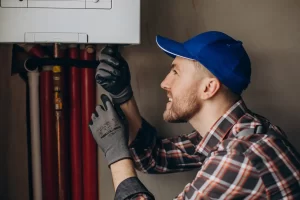
The first step to winter preparedness begins with a simple principle: don’t wait for a problem to reveal itself when you need your system most. During the summer, when HVAC professionals are less inundated with emergency heating calls, you have access to a wealth of expertise with shorter wait times. Booking a heating system inspection in July or August might not feel urgent, but that’s exactly why it’s the smartest time to do it.
A professional inspection can uncover wear and tear that accumulated over the last winter season—parts that are on the brink of failure, dust and soot that settled during the months of use, or irregularities in airflow and performance that you wouldn’t notice until your home refuses to warm. A technician can clean burners and heat exchangers, tighten electrical connections, lubricate moving parts, and test for carbon monoxide leaks. These aren’t just boxes to check off; they are safeguards for your safety and the longevity of your equipment.
If you have a gas furnace, this is especially crucial. Gas lines, pilot lights, and thermocouples all benefit from an off-season check-up. Ignoring this kind of maintenance until October or November can lead to waiting in line behind dozens of other households doing the same, many of them too late.
And while professional servicing is essential, homeowners can also play a part in keeping the system ready. Replacing the air filter is one of the simplest tasks, yet it’s often neglected. A clogged filter makes your furnace work harder than it needs to, leading to inefficiency and potential breakdowns. In the summer, swap out your old filter for a fresh one and consider marking your calendar to check it every one to three months once the system is back in use.
Summer is also an ideal time to assess the age and performance of your system overall. If your furnace or boiler is more than 15 years old, and if you’ve noticed it struggling in past winters—longer cycles, inconsistent heat, rising energy bills—then now may be the time to explore replacement options. Shopping for a new unit in warm weather gives you the luxury of time: to research, to compare prices, to find an installer you trust, and to schedule an installation that doesn’t leave you shivering.
Seal, Insulate, and Circulate for Efficiency
Heating your home efficiently isn’t just about the furnace itself. The surrounding systems—the ducts, vents, insulation, and airflow—are critical players in whether your home stays warm and your energy bills stay sane. Addressing these in summer not only enhances winter readiness but can improve overall year-round comfort.
Start with your ductwork. Over time, ducts can develop small leaks or gaps that allow warm air to escape into unconditioned spaces like attics or crawlspaces. That lost air isn’t just a comfort issue—it’s money slipping away every time the heat kicks on. During the summer, when the ducts are easily accessible and not in high demand, you can have them professionally sealed or, if you’re handy, do a visual inspection yourself. Use mastic sealant or metal tape—never duct tape, ironically—to patch obvious leaks. While you’re at it, consider whether your ducts need to be insulated, especially if they run through cold areas.
Then there’s your insulation. Summer is a perfect time to venture into your attic, basement, or garage without freezing. Check for signs of insufficient or degraded insulation: rooms that are drafty in winter or overly hot in summer are often the first clue. Blown-in insulation can settle over time, and gaps can form near pipes, light fixtures, or attic hatches. Adding insulation where needed is a project that pays dividends every winter.
Don’t forget the often-overlooked role of air circulation. Ceiling fans can be set to reverse direction in winter, pushing warm air that rises to the ceiling back down into the room. Test your fans in the summer to make sure the reverse switch works and get in the habit of changing their direction once the weather cools.
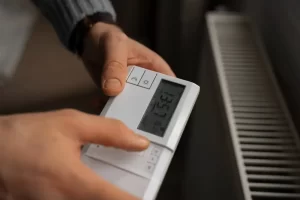
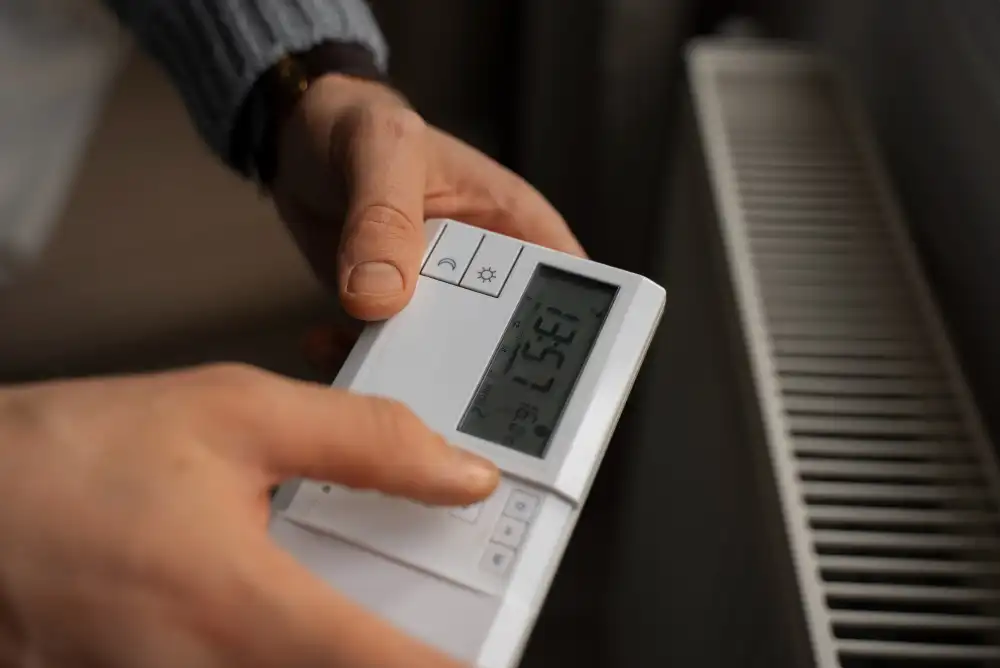
And finally, test your thermostat. If you’re still using a manual model, consider upgrading to a programmable or smart thermostat before winter hits. These devices can automatically lower the temperature when you’re asleep or away, reducing strain on your heating system and trimming your energy bills. Smart thermostats can also learn your habits and preferences over time, making your home both smarter and more comfortable.
Stock, Plan, and Protect for Peace of Mind
Preparation isn’t just mechanical—it’s also mental. Winter brings unpredictability: snowstorms, power outages, and nights where you need the system working at full strength. The calm of summer is a great time to make sure you’re ready not just to heat your home but to do so with confidence and contingency plans.
Start by checking your heating fuel situation. If you use oil, propane, or wood pellets, summer is when you’ll often find better pricing and delivery availability. Filling your tank now not only saves you money but ensures you’re not scrambling when suppliers are backlogged come November. If you burn wood, inspect your chimney or flue and have it cleaned if needed. Creosote buildup is a dangerous fire hazard, and summer offers the perfect weather window for chimney sweeps to get the job done.
Think, too, about power outages. If your heating system depends on electricity to ignite or circulate air (which many do, even gas systems), a power outage can leave you in the cold. A backup generator, properly sized and safely installed, can be a lifesaver—literally—during extreme winter conditions. At the very least, make sure you have warm blankets, portable heaters (rated for indoor use), and emergency supplies on hand.
One often overlooked detail is the safety system that surrounds your heating: carbon monoxide detectors. These devices should be tested regularly and replaced according to the manufacturer’s schedule. Summer is an ideal time to check batteries and test units. Carbon monoxide is odorless and invisible, and when heating systems malfunction, it’s a silent but deadly threat. Detectors offer early warning that can save lives.
Lastly, consider your household routine. Do you know how to shut off your heating system in an emergency? Does everyone in the household understand basic safety precautions? Take a few minutes this summer to review manuals, label shutoff valves, and make a winter-readiness plan.
Preparing your heating system in the heart of summer may feel counterintuitive, but it’s one of the smartest moves a homeowner can make. Winter’s challenges don’t begin with the first frost; they begin when the system you count on lets you down. By acting now—when parts are available, professionals are accessible, and time is on your side—you can turn your attention to the colder months with confidence. Your future self, wrapped in a warm blanket on a snow-covered evening, will thank you.