Infrared radiators are revolutionising the way we heat our homes and workplaces. Unlike conventional heating systems that warm the air, infrared radiators use radiant heat to directly warm objects and people within a room. This makes them an energy-efficient, cost-effective, and environmentally friendly alternative to traditional gas and electric convection heating systems.
But how do infrared radiators actually work? What makes them different from conventional heaters? In this comprehensive guide, we will explore the science behind infrared heating, its benefits, installation considerations, and how it compares to other heating systems.
The Science Behind Infrared Heating
Infrared radiators use electromagnetic radiation to transfer heat. This may sound complex, but the process is entirely natural—infrared radiation is the same type of heat energy that we receive from the sun.
Understanding Infrared Radiation
Infrared (IR) radiation is part of the electromagnetic spectrum, located just beyond visible light. It is divided into three categories:
- Near-infrared (IR-A) – Short-wavelength infrared, primarily used in medical and industrial applications.
- Mid-infrared (IR-B) – Medium-wavelength infrared, used for heating and drying processes.
- Far-infrared (IR-C) – Long-wavelength infrared, which is the most efficient and comfortable form of heating for indoor spaces.
Infrared radiators primarily emit far-infrared radiation, which is absorbed by surfaces, objects, and people, rather than warming the air like traditional convection heating.
How Infrared Heat Works
When infrared radiation is emitted from a radiator, it travels in a straight line until it meets an object, such as furniture, walls, or human skin. The object absorbs the radiation and then re-emits heat into the surrounding space. This results in a more even and sustained warmth without relying on air circulation.
Components of an Infrared Radiator
Infrared radiators are designed with specific materials and technology to maximise heat output and efficiency. Their key components include:
1. Heating Element
The heating element generates infrared radiation when electricity passes through it. Different materials are used for this purpose, including:
- Carbon fibre – Highly efficient and provides even heat distribution.
- Ceramic – Offers durability and long-lasting performance.
- Quartz – Used in high-intensity infrared heaters for rapid heat emission.
2. Reflective Surface
A reflective backing is often used to direct infrared radiation outward, ensuring that heat is distributed effectively into the room rather than being lost at the back of the panel.
3. Panel Casing
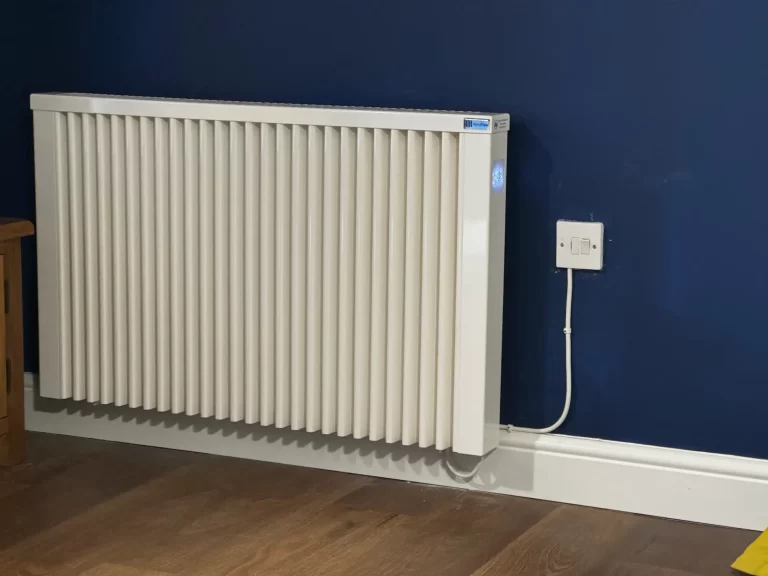
Infrared radiators are often housed in slim, sleek panels made from materials such as:
- Glass
- Metal
- Composite materials
This allows them to be stylish and space-saving, making them suitable for modern homes and offices.
4. Thermostat and Smart Controls
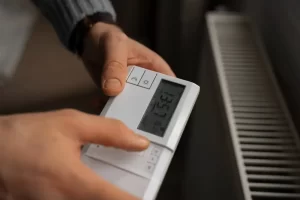
Many modern infrared radiators come with built-in thermostats and smart controls, enabling users to adjust temperature settings remotely using Wi-Fi or Bluetooth-enabled apps.
Comparing Infrared Heating to Conventional Heating
Infrared heating operates fundamentally differently from traditional convection heating, offering several advantages in terms of efficiency and comfort.
| Feature | Infrared Radiators | Convection Heaters (Gas or Electric Radiators) |
|---|---|---|
| Heating Method | Radiant heat (direct heating of objects) | Convection heat (warming the air) |
| Efficiency | Nearly 100% energy-to-heat conversion | Heat loss due to air circulation and ventilation |
| Air Circulation | No air movement, reducing dust and allergens | Warms air, which can create drafts and uneven heating |
| Warm-Up Time | Instant to a few minutes | Can take longer, depending on system |
| Energy Waste | Minimal (no heat lost to air movement) | Heat loss through ventilation and cold drafts |
Benefits of Infrared Radiators
Infrared radiators offer numerous advantages over traditional heating systems, including:
1. Energy Efficiency
Because infrared radiators directly heat objects rather than air, they require less energy to maintain a comfortable temperature. Studies show that infrared heating can reduce energy consumption by 30-50% compared to conventional electric or gas heating systems.
2. Even Heat Distribution
Traditional convection heaters create temperature variations, with warm air rising to the ceiling and cooler air remaining at lower levels. Infrared radiators, on the other hand, provide uniform heating, preventing cold spots in a room.
3. Improved Air Quality
Since infrared heating does not rely on air circulation, it reduces the movement of dust, pollen, and allergens, making it an excellent choice for allergy sufferers.
4. Space-Saving and Aesthetic Appeal
Infrared radiators come in sleek, wall-mounted or ceiling-mounted designs, eliminating the need for bulky radiators and freeing up floor space. Some infrared panels even double as mirrors or artwork, seamlessly blending into the home decor.
5. Low Maintenance
Infrared radiators have no moving parts or complex mechanical components, meaning they require minimal maintenance. Unlike gas boilers, they do not need annual servicing or repairs due to wear and tear.
6. Silent Operation
Unlike convection heaters that use fans or pumps, infrared radiators operate silently, making them ideal for bedrooms, offices, and study spaces.
Where and How to Install Infrared Radiators
Infrared radiators can be used in a variety of settings, including:
- Homes – Living rooms, bedrooms, bathrooms, and conservatories.
- Offices – Providing efficient and discreet heating for workspaces.
- Commercial Spaces – Shops, cafes, and restaurants benefit from efficient spot heating.
- Outdoor Areas – Patio and garden heaters use infrared technology to provide warmth in open-air environments.
Installation Considerations
- Wall or Ceiling Placement: Infrared panels should be installed where they have a clear line of sight to the areas they need to heat.
- Room Size and Insulation: The number and power of infrared radiators required depend on room size and insulation levels.
- Power Supply: Most infrared radiators are plug-and-play, while larger units may require professional electrical installation.
Cost Considerations and Long-Term Savings
Initial Investment
The upfront cost of infrared radiators is typically higher than conventional electric heaters. Prices range from £150 to £600 per panel, depending on size and design.
Running Costs
- A 1kW infrared panel running for 6 hours a day at 28p per kWh would cost £1.68 per day, or £50.40 per month.
- Because infrared heating is more efficient, overall energy bills can be reduced compared to traditional electric or gas heating.
Lifespan
Infrared radiators last 20+ years, making them a long-term investment with minimal maintenance.
Future of Infrared Heating
As the UK transitions towards net-zero carbon emissions, infrared heating is expected to become more widespread. With advancements in energy efficiency, smart controls, and integration with renewable energy sources like solar power, infrared radiators offer a future-proof heating solution.
Conclusion
Infrared radiators provide an innovative and energy-efficient way to heat indoor spaces. By directly warming objects and people rather than relying on air circulation, they deliver consistent, comfortable, and cost-effective heating. With their low maintenance, modern designs, and long lifespan, infrared radiators are an excellent investment for homes and businesses looking to reduce energy consumption and heating costs.
As technology evolves, infrared heating is set to play a key role in the future of sustainable home heating, making it a smart choice for eco-conscious consumers.